EQX ARC
Her Longevity Protocol

A guide to optimizing health at every decade, built by the Equinox Women’s Health Advisory Board.

You can’t hack longevity.

Long-term wellness requires consistent attention and care. Your metabolic, cardiovascular, musculoskeletal, reproductive, and mental health all matter across your lifespan — not just at a single point in time.

But as the years pass and you experience hormonal and lifestyle changes, certain pillars of health are worth prioritizing more than others. 

That’s why our Women’s Health Advisory Board created this roadmap to healthy aging. Backed by science and rooted in physiology, these proactive strategies and product recommendations will help you best support your health throughout your 20s, 30s, 40s, 50s, and beyond. Each decade’s recommendations build off the last, and you’ll focus on making tweaks to your current routine rather than overhauling it. 

Think of this as a general framework — not a prescription — for women and people with ovaries. Consult your healthcare provider for personalized guidance that syncs with your life stage and needs.

By Megan Falk

Long-term wellness requires consistent attention and care. Your metabolic, cardiovascular, musculoskeletal, reproductive, and mental health all matter across your lifespan — not just at a single point in time.

But as the years pass and you experience hormonal and lifestyle changes, certain pillars of health are worth prioritizing more than others. 

That’s why our Women’s Health Advisory Board created this roadmap to healthy aging. Backed by science and rooted in physiology, these proactive strategies and product recommendations will help you best support your health throughout your 20s, 30s, 40s, 50s, and beyond. Each decade’s recommendations build off the last, and you’ll focus on making tweaks to your current routine rather than overhauling it. 

Think of this as a general framework — not a prescription — for women and people with ovaries. Consult your healthcare provider for personalized guidance that syncs with your life stage and needs.

By Megan Falk

20s

Your 20s are the time to establish your foundation. “What you build here — muscle, bone density, and metabolic flexibility — determines how well you age,” says Robin Berzin, M.D.

In this decade, women generally hit their total-body peak bone mass, or the maximum amount of bone tissue existing at the end of skeletal maturation. The higher your peak bone mass now, the lower the risk of osteoporosis and related fractures down the road, research suggests.

“Peak bone mineral density is reached by your late 20s to early 30s, and you do not get a second chance to build it,” adds Amy Killen, M.D. “This is the decade to load your skeleton through axial loading, jumping, and resistance training while the remodeling machinery is still in full swing. What you bank now determines your fracture risk for life.”

The same practices can bolster metabolic health. “Building muscle is one of the most effective ways to increase insulin sensitivity. This is critical for preventing insulin resistance and diabetes,” which can safeguard reproductive health in turn, says Kara Goldman, M.D. Insulin resistance in women with polycystic ovary syndrome has been shown to drive ovarian dysfunction, irregular periods, and multiple risks to fertility and overall health, says Dr. Goldman.

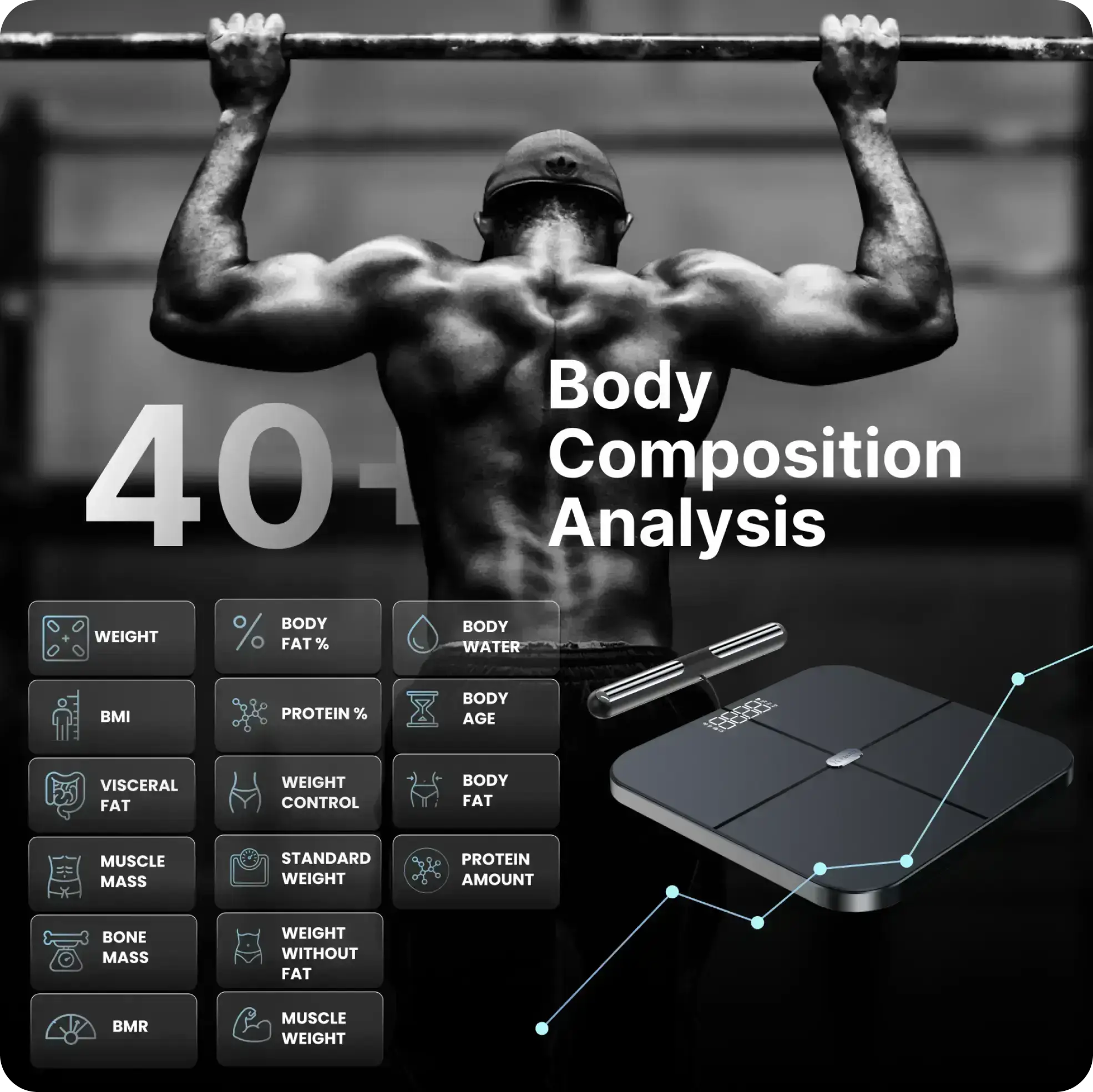
Consider investing in resistance training and impact-loading tools (e.g., weights, bands, jump ropes), plus protein and other nutritional supports to build muscle and promote bone health, suggests Dr. Goldman.

Your 20s are the time to establish your foundation. “What you build here — muscle, bone density, and metabolic flexibility — determines how well you age,” says Robin Berzin, M.D.

In this decade, women generally hit their total-body peak bone mass, or the maximum amount of bone tissue existing at the end of skeletal maturation. The higher your peak bone mass now, the lower the risk of osteoporosis and related fractures down the road, research suggests.

“Peak bone mineral density is reached by your late 20s to early 30s, and you do not get a second chance to build it,” adds Amy Killen, M.D. “This is the decade to load your skeleton through axial loading, jumping, and resistance training while the remodeling machinery is still in full swing. What you bank now determines your fracture risk for life.”

The same practices can bolster metabolic health. “Building muscle is one of the most effective ways to increase insulin sensitivity. This is critical for preventing insulin resistance and diabetes,” which can safeguard reproductive health in turn, says Kara Goldman, M.D. Insulin resistance in women with polycystic ovary syndrome has been shown to drive ovarian dysfunction, irregular periods, and multiple risks to fertility and overall health, says Dr. Goldman.

Consider investing in resistance training and impact-loading tools (e.g., weights, bands, jump ropes), plus protein and other nutritional supports to build muscle and promote bone health, suggests Dr. Goldman.

20s: Build Your Foundation

A curated collection of products to strengthen muscle, bone, and metabolic health in your 20s.

Dr. Killen's Pick
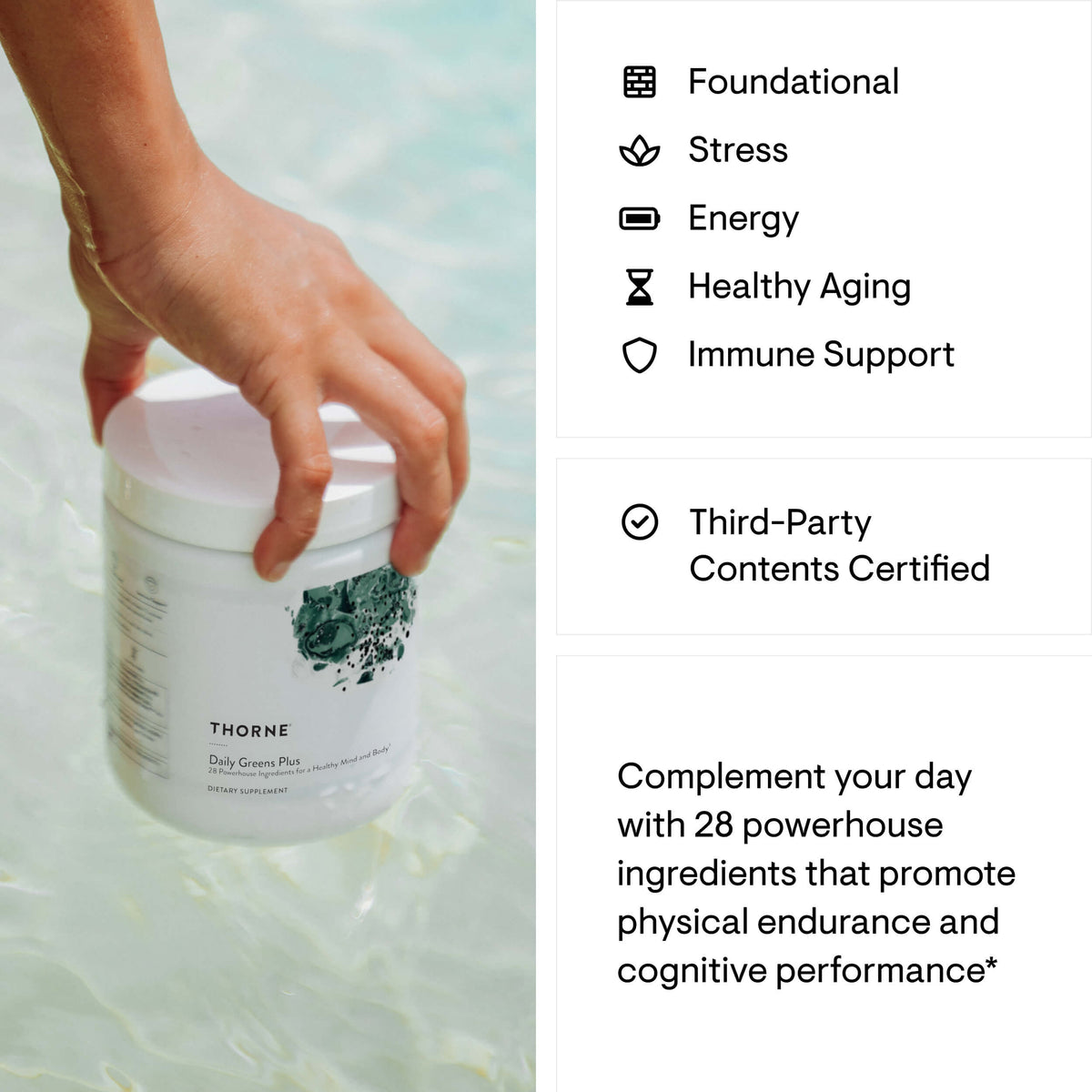
Vitamin D + K2 LiquidVitamin D + K2 Liquid
Thorne
Vitamin D + K2 Liquid
$34.00
Dr. Kuku's Pick
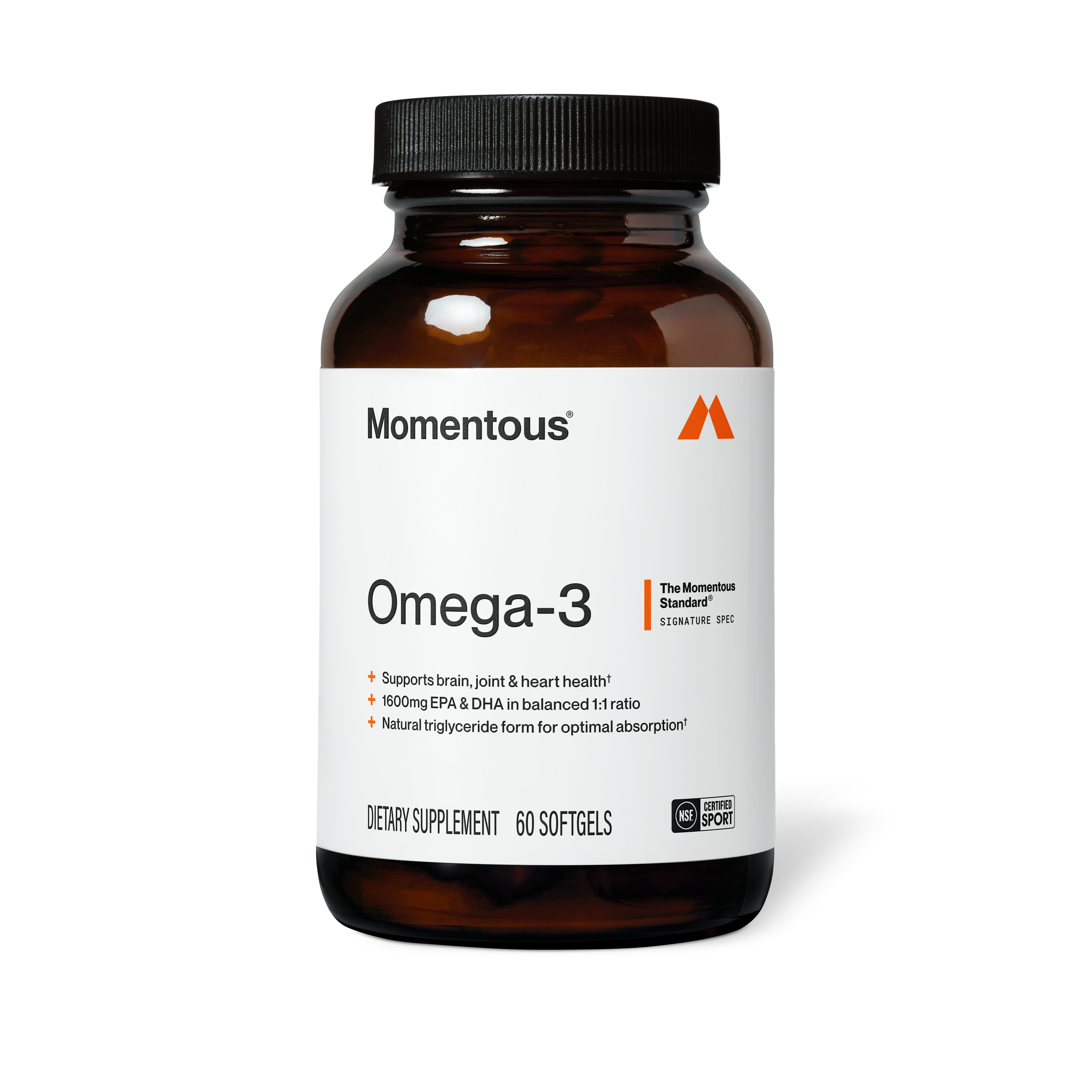
Omega-3Omega-3
Momentous
Omega-3
$39.95
Dr. Kuku's Pick
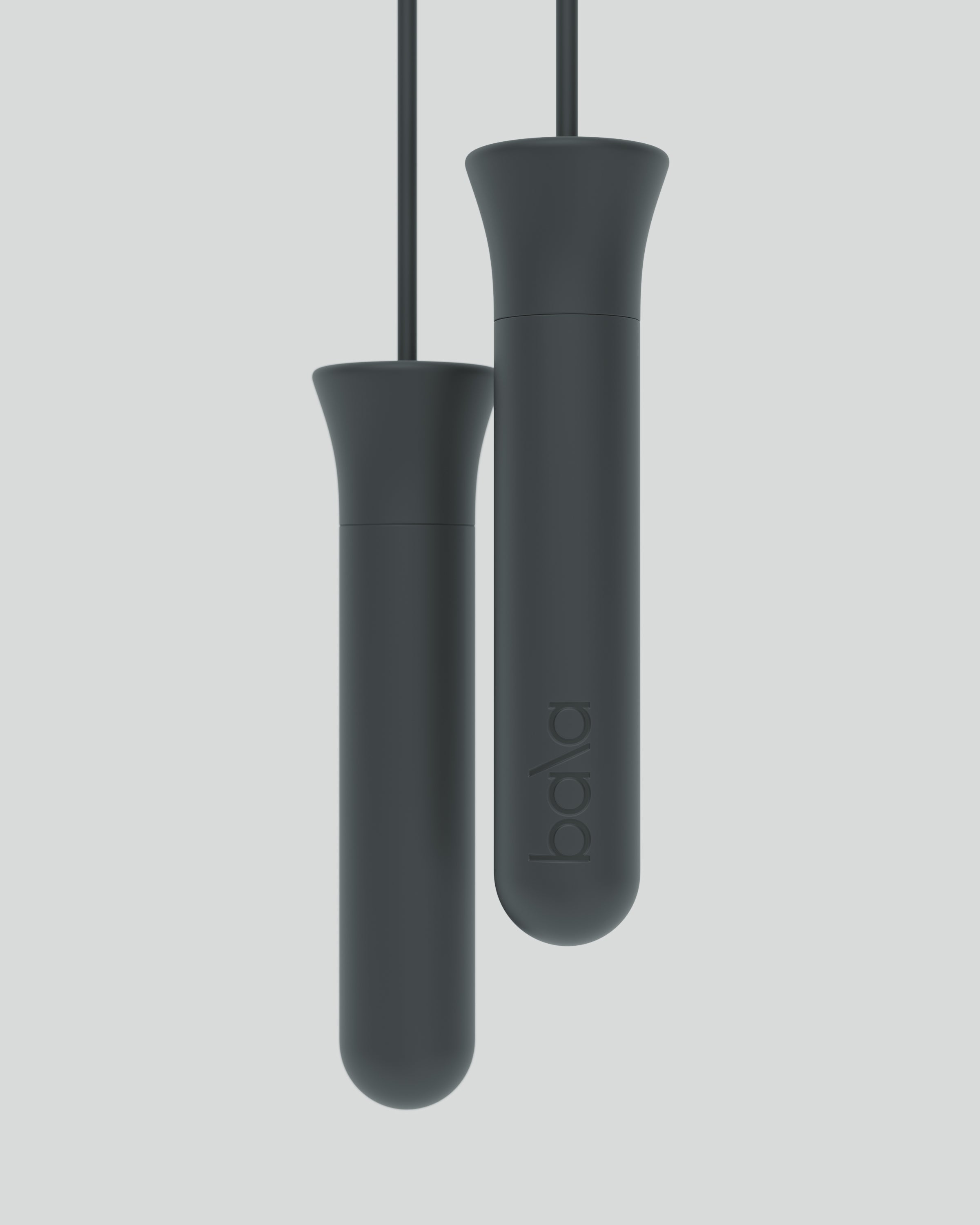
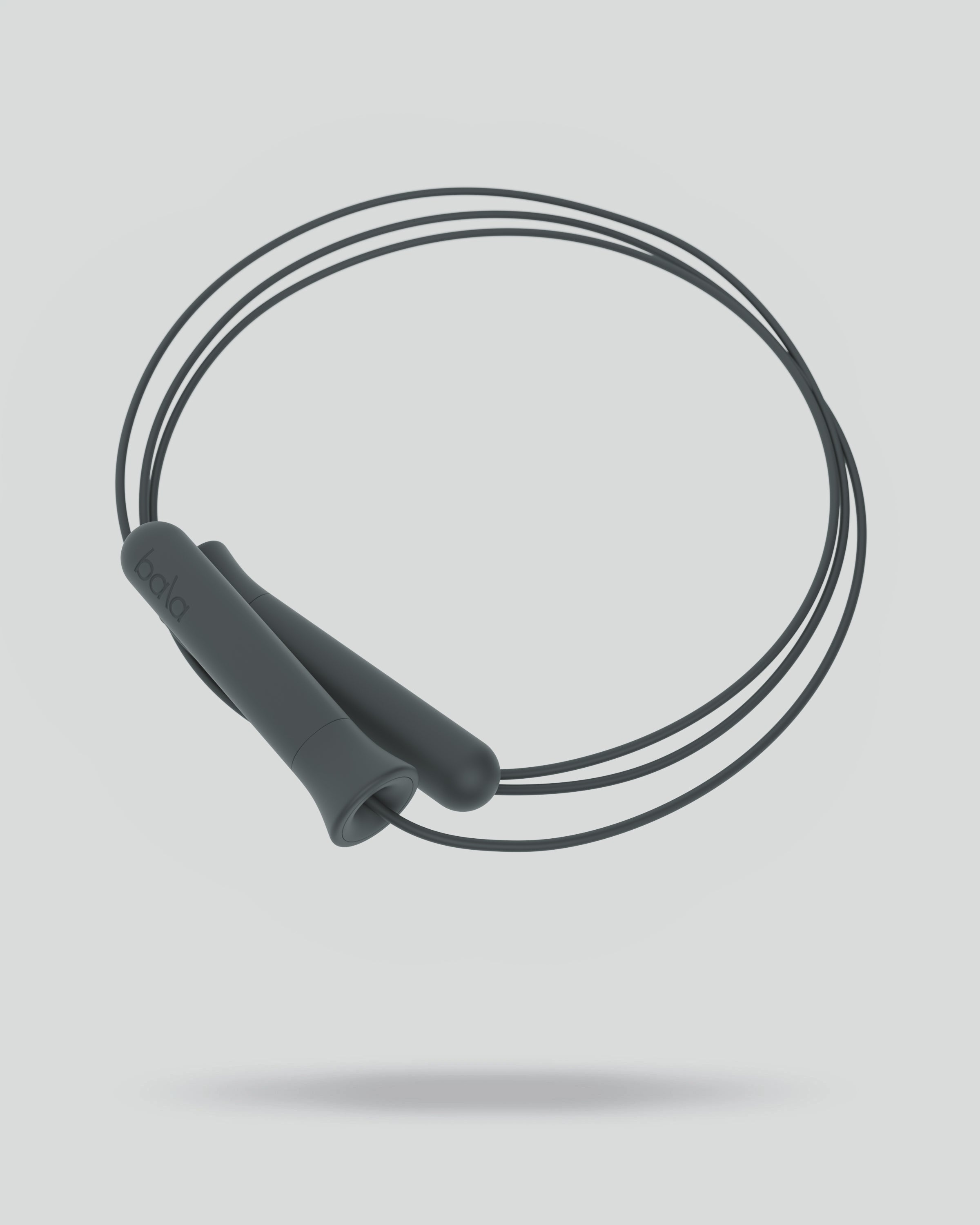
The Jump RopeThe Jump Rope
Bala
The Jump Rope
$55.00
+2
Dr. Berzin's Pick
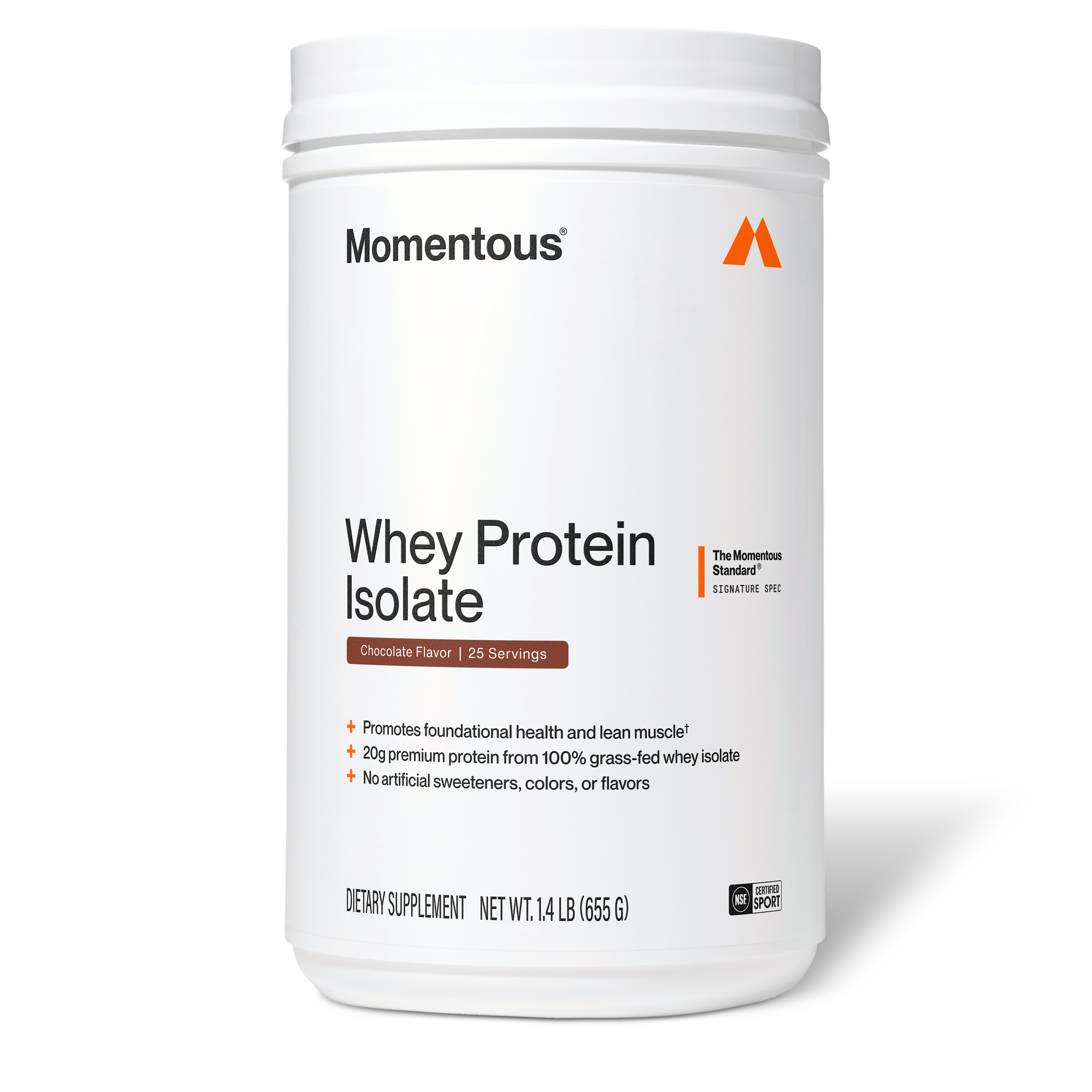
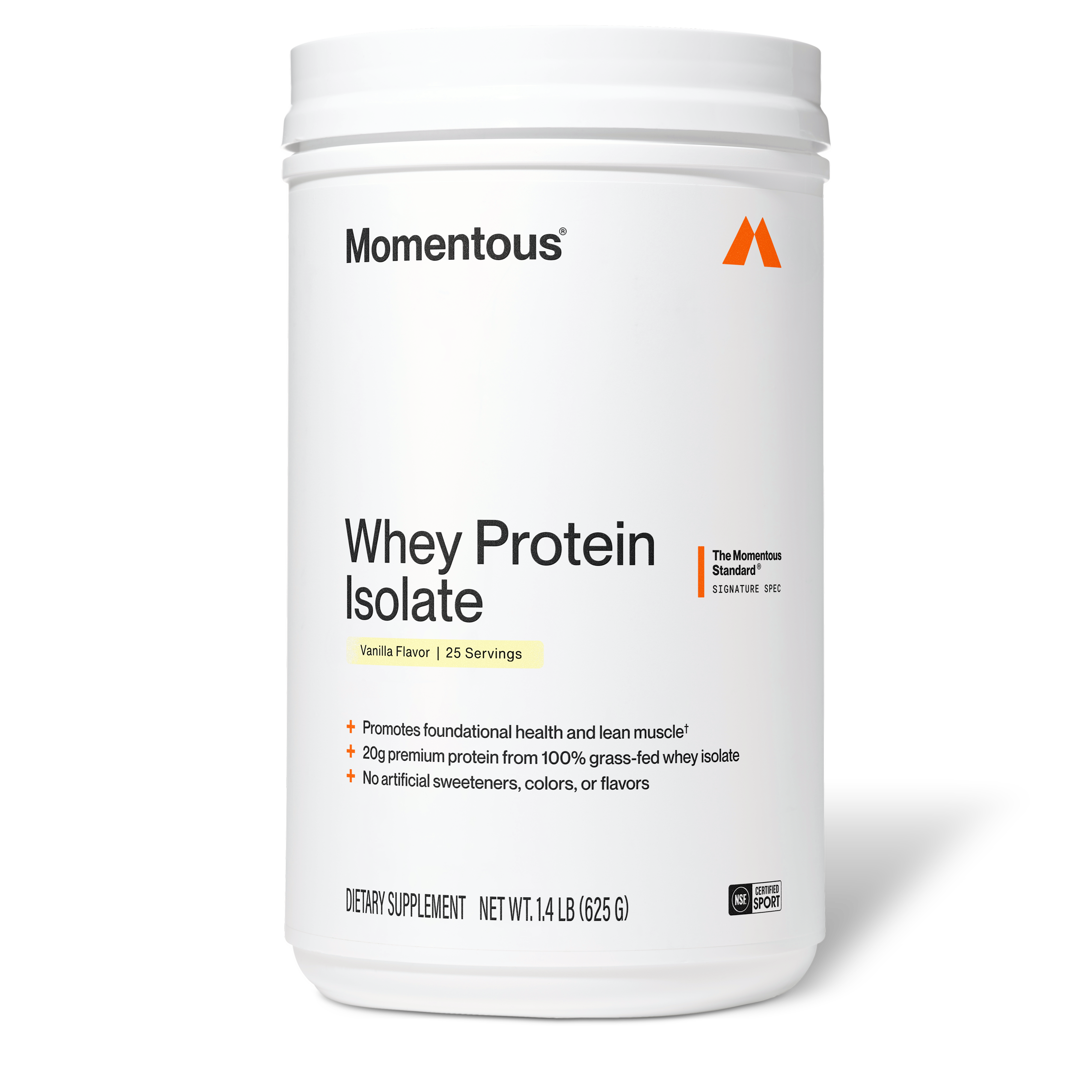
Whey Protein IsolateWhey Protein Isolate
Flavor
Momentous
Whey Protein Isolate
$59.95
30s

Your 30s are generally coupled with additional stress — from your career, relationships, or fertility journey, for instance — which can disrupt ovulation and progesterone balance in chronic cases, according to our experts. These stressors can also make it difficult to get quality rest, which may ultimately lead to impaired muscle function and health. Compounding the problem: Starting at age 30, muscle mass can decrease by up to 8 percent per decade without intervention, research suggests

“Protecting both your training and your sleep right now is how you build the reserves you will need in your 40s,” says Dr. Killen.

You should also use your 30s to start paying closer attention to thyroid health, suggests Dr. Berzin. “Women account for nearly 80 percent of autoimmune disease cases and are five to [eight] times more likely to develop thyroid disorders [than men],” she says. “This is the decade to start tracking real data like lipids, glucose, inflammation, and thyroid markers before subtle imbalances become diagnosable disease.”

Consider investing in sleep-optimization and stress-relief tools, recovery gadgets (e.g., foam rollers, massage devices), and pre- and postnatal supports, as needed, suggests Dr. Goldman. Don’t forget to stick with your heavy resistance training for bone and muscle health.

Your 30s are generally coupled with additional stress — from your career, relationships, or fertility journey, for instance — which can disrupt ovulation and progesterone balance in chronic cases, according to our experts. These stressors can also make it difficult to get quality rest, which may ultimately lead to impaired muscle function and health. Compounding the problem: Starting at age 30, muscle mass can decrease by up to 8 percent per decade without intervention, research suggests

“Protecting both your training and your sleep right now is how you build the reserves you will need in your 40s,” says Dr. Killen.

You should also use your 30s to start paying closer attention to thyroid health, suggests Dr. Berzin. “Women account for nearly 80 percent of autoimmune disease cases and are five to [eight] times more likely to develop thyroid disorders [than men],” she says. “This is the decade to start tracking real data like lipids, glucose, inflammation, and thyroid markers before subtle imbalances become diagnosable disease.”

Consider investing in sleep-optimization and stress-relief tools, recovery gadgets (e.g., foam rollers, massage devices), and pre- and postnatal supports, as needed, suggests Dr. Goldman. Don’t forget to stick with your heavy resistance training for bone and muscle health.

30s: Optimize Your Routine

A curated collection of products to improve recovery, ease stress, and support reproductive health in your 30s.

Dr. Killen's Pick
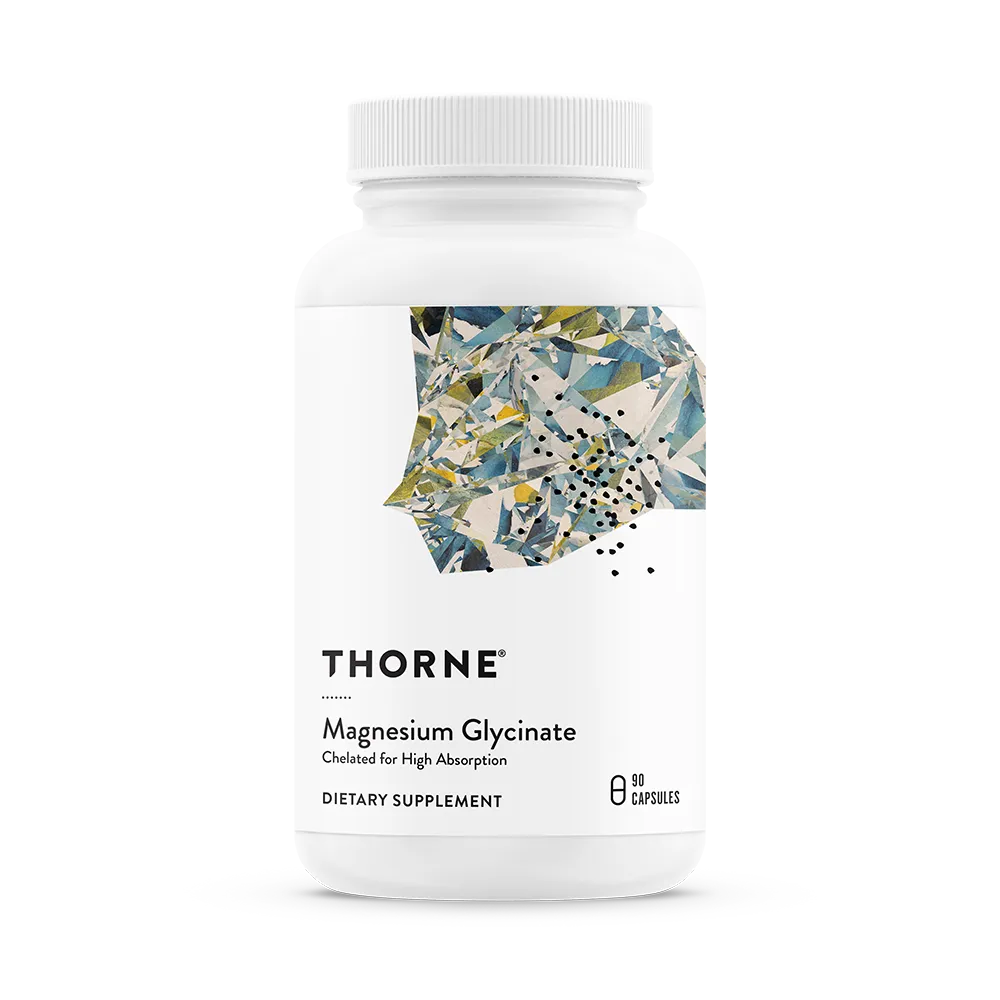
Magnesium GlycinateMagnesium Glycinate
Thorne
Magnesium Glycinate
$26.00
Dr. Berzin's Pick
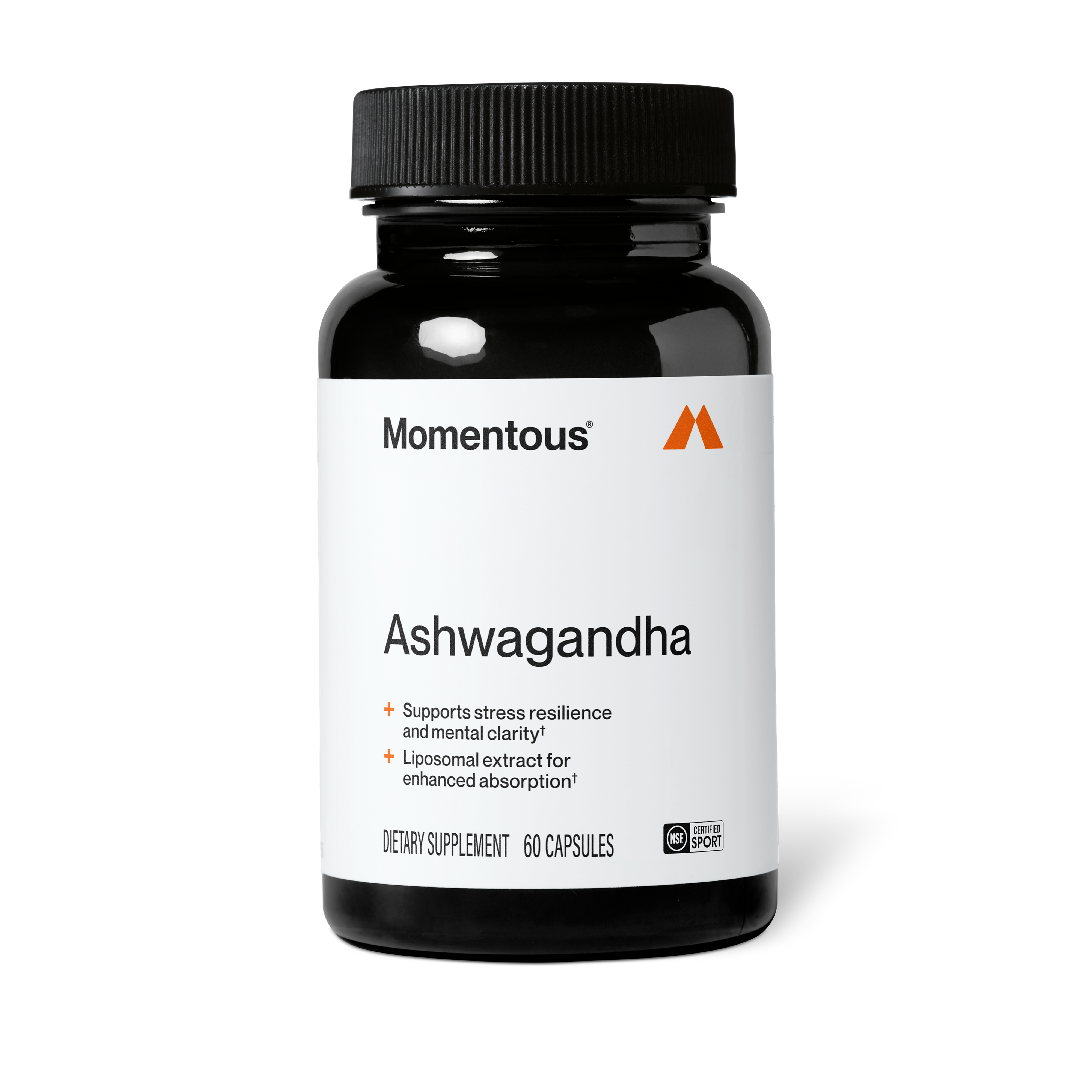
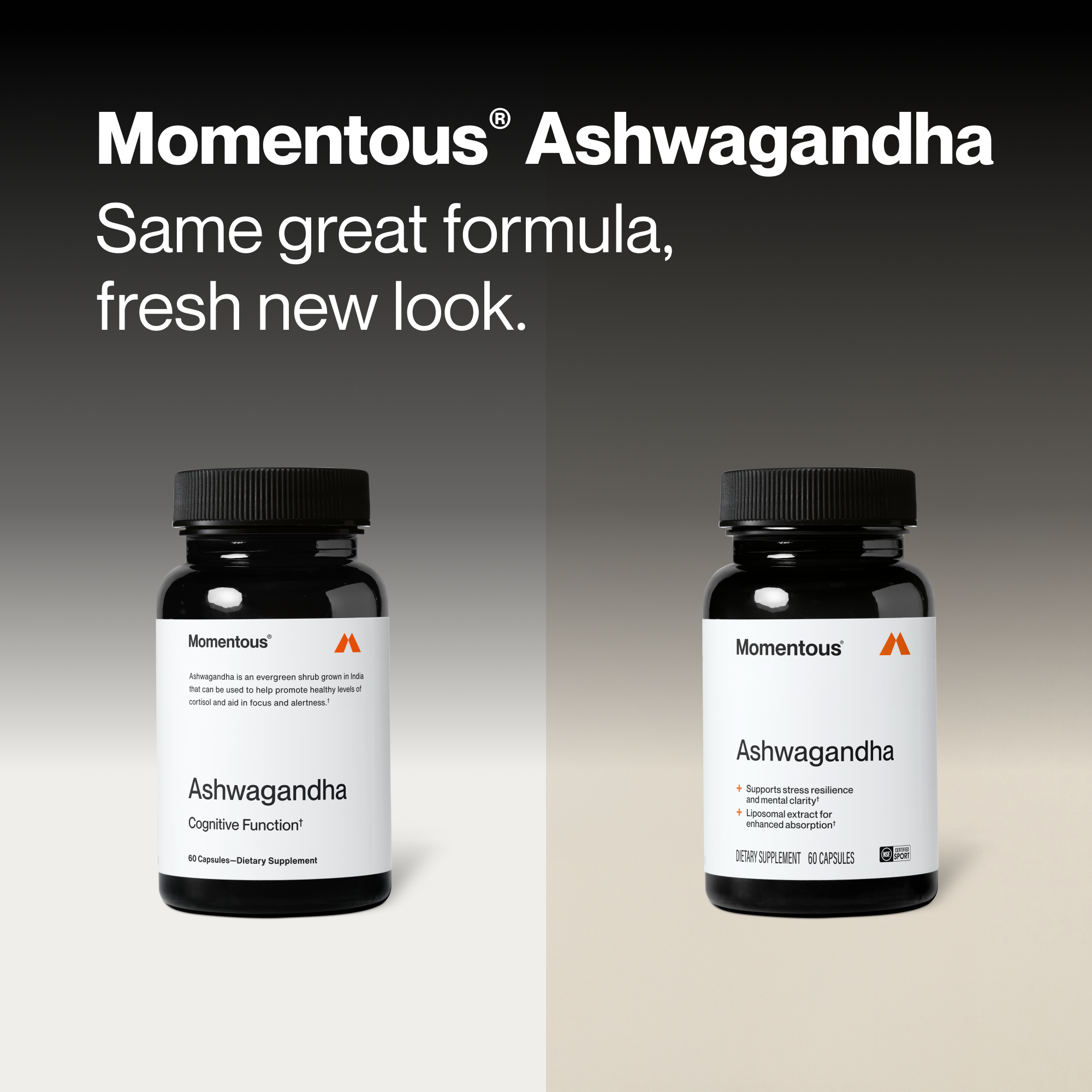
AshwagandhaAshwagandha
Momentous
Ashwagandha
$24.95
Dr. Berzin's Pick
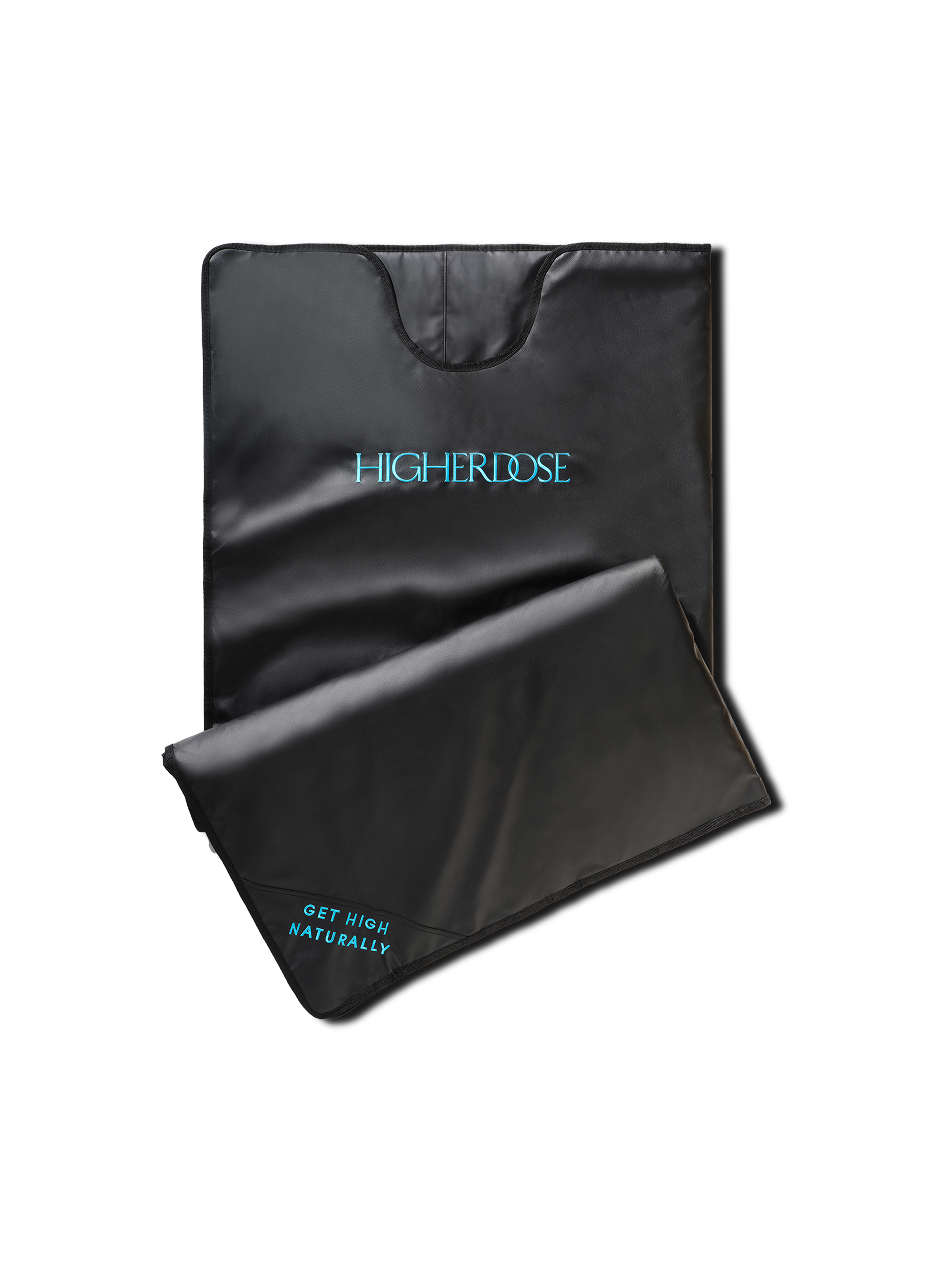
Higherdose Infrared Sauna Blanket V4Higherdose Infrared Sauna Blanket V4
Size
Higherdose
Infrared Sauna Blanket V4
$699.00
Dr. Kuku's Pick
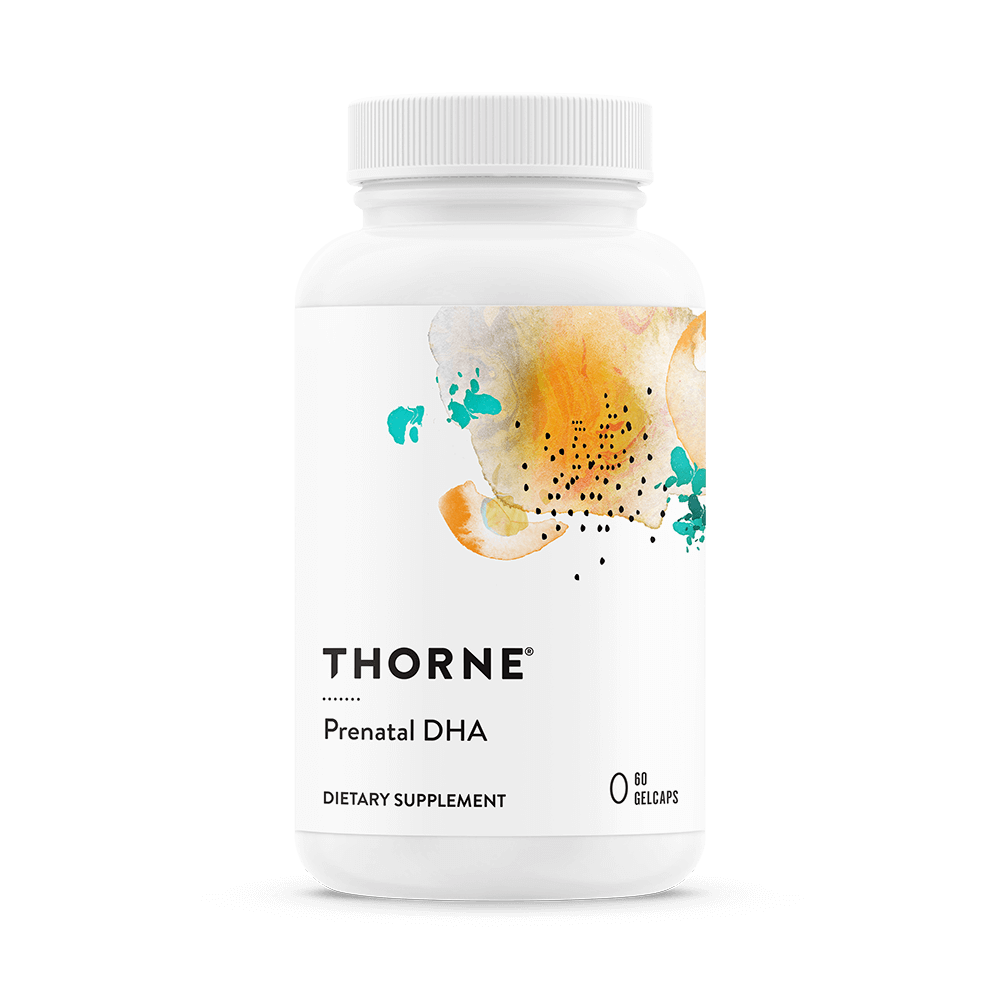
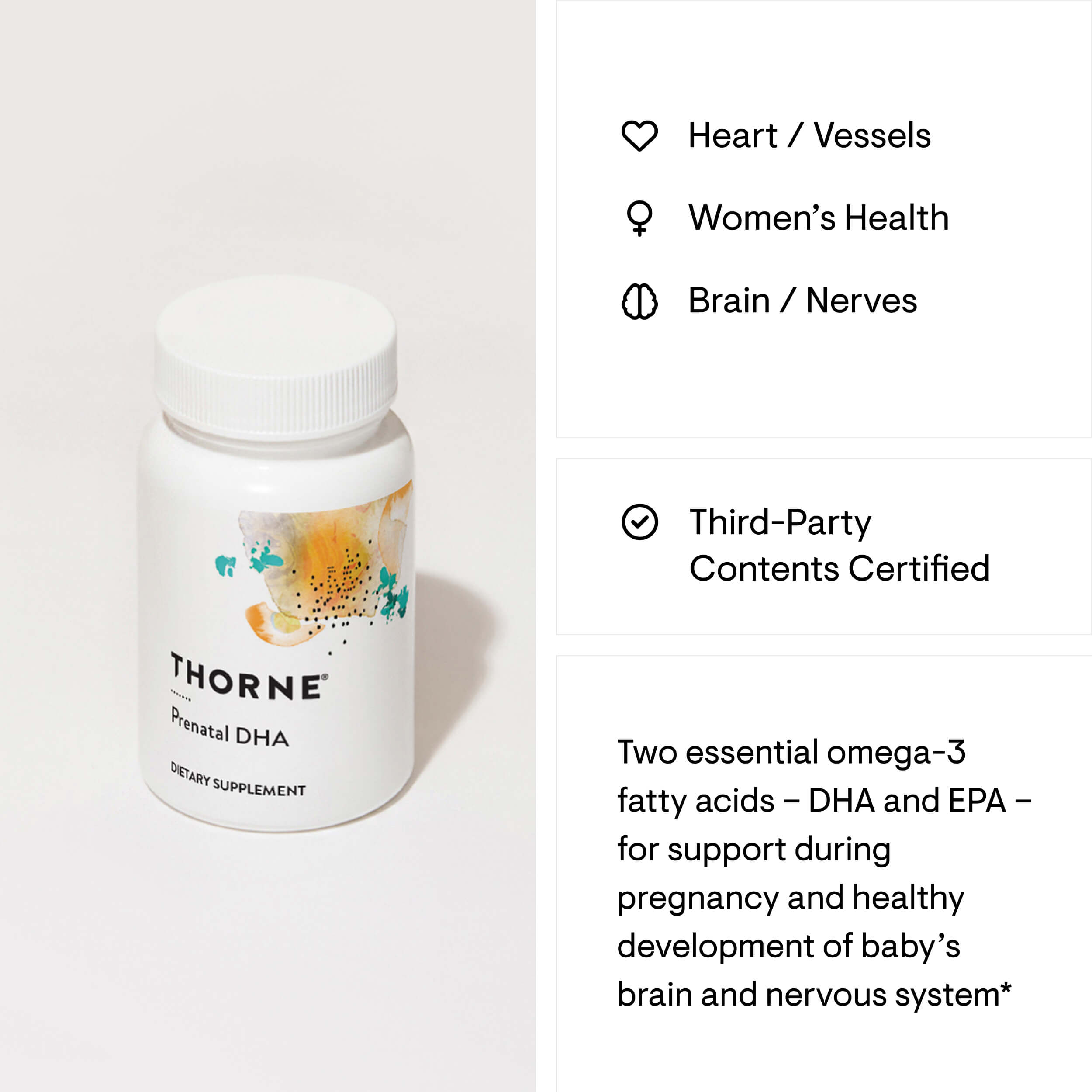
Prenatal DHAPrenatal DHA
Thorne
Prenatal DHA
$30.00
40s

“The dominant shift for women in their 40s is perimenopause,” says Dr. Berzin, “where fluctuating estrogen and progesterone begin to impact insulin sensitivity, body composition, sleep, and cardiovascular health.” Focus on preserving the bone and muscle mass you’ve built and maintaining the habits you’ve established for your metabolic health. That means prioritizing strength training and protein intake, our experts suggest. 

Energy and skin health should be top of mind, too, says Dr. Killen. “Estrogen is the master regulator of collagen, and women lose roughly 30 percent of their skin collagen in the first five years surrounding menopause,” she says. “...Energy also wanes as mitochondrial function declines in perimenopause, making this the decade when most women begin thinking deliberately about slowing cellular aging, both inside and out.”

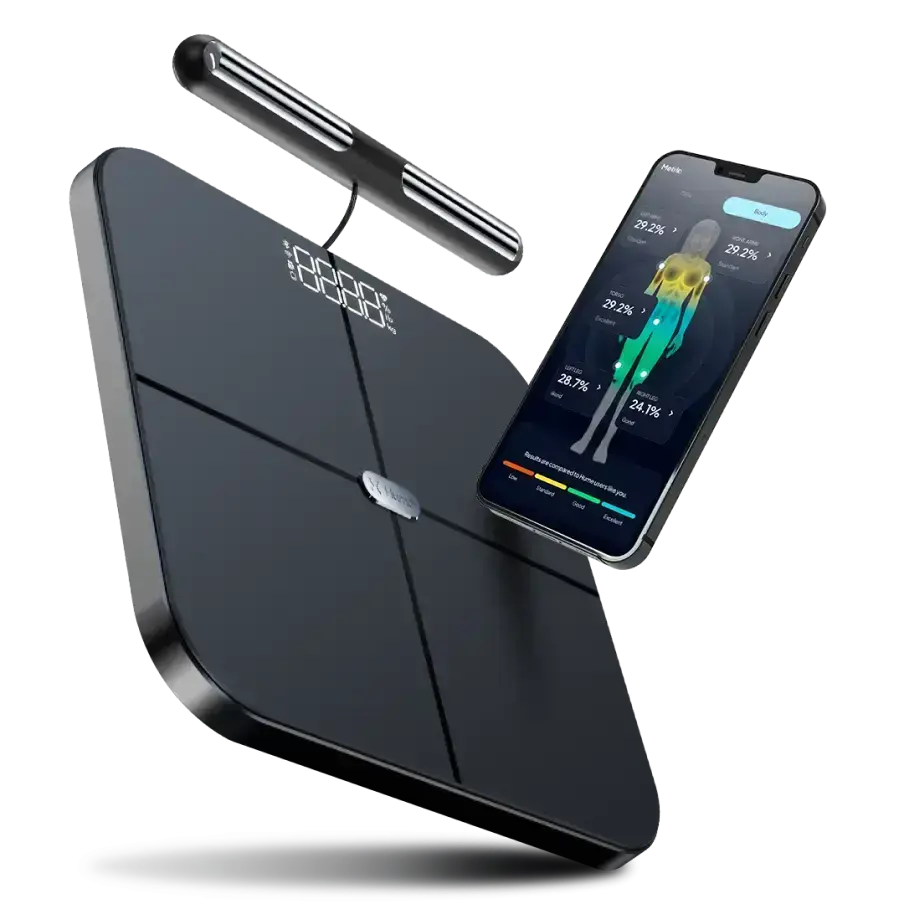
Stephanie Kuku, M.D., suggests starting to track your hormone levels (e.g., estrogen) and discussing menopausal hormone therapy with your healthcare provider, which can help you navigate the transition with less disruption. Consider investing in wearables that promote awareness of the physiological changes you’re experiencing, protein and fiber support for glucose regulation, and recovery tools.

“The dominant shift for women in their 40s is perimenopause,” says Dr. Berzin, “where fluctuating estrogen and progesterone begin to impact insulin sensitivity, body composition, sleep, and cardiovascular health.” Focus on preserving the bone and muscle mass you’ve built and maintaining the habits you’ve established for your metabolic health. That means prioritizing strength training and protein intake, our experts suggest. 

Energy and skin health should be top of mind, too, says Dr. Killen. “Estrogen is the master regulator of collagen, and women lose roughly 30 percent of their skin collagen in the first five years surrounding menopause,” she says. “...Energy also wanes as mitochondrial function declines in perimenopause, making this the decade when most women begin thinking deliberately about slowing cellular aging, both inside and out.”

Stephanie Kuku, M.D., suggests starting to track your hormone levels (e.g., estrogen) and discussing menopausal hormone therapy with your healthcare provider, which can help you navigate the transition with less disruption. Consider investing in wearables that promote awareness of the physiological changes you’re experiencing, protein and fiber support for glucose regulation, and recovery tools.

40s: Preserve During Perimenopause

A curated collection of products to protect muscle and promote skin health in your 40s.

Dr. Killen's Pick
HOP Box LongevityHOP Box Longevity
HOP Box
Longevity
$200.00
Dr. Killen's Pick
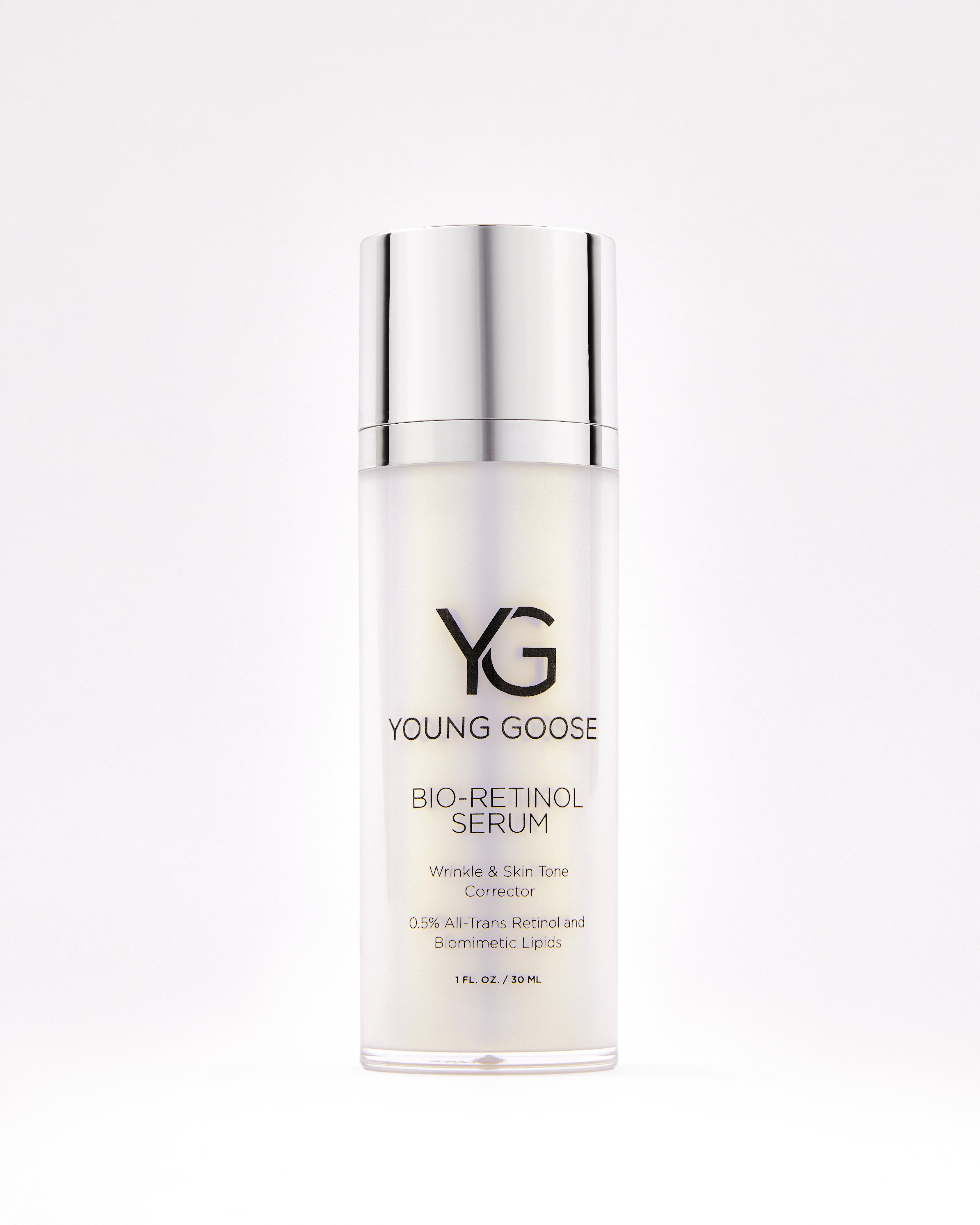
BIO-SHIELD SPF 40BIO-SHIELD SPF 40
Size
Young Goose
BIO-SHIELD SPF 40
$126.50
Dr. Berzin's Pick
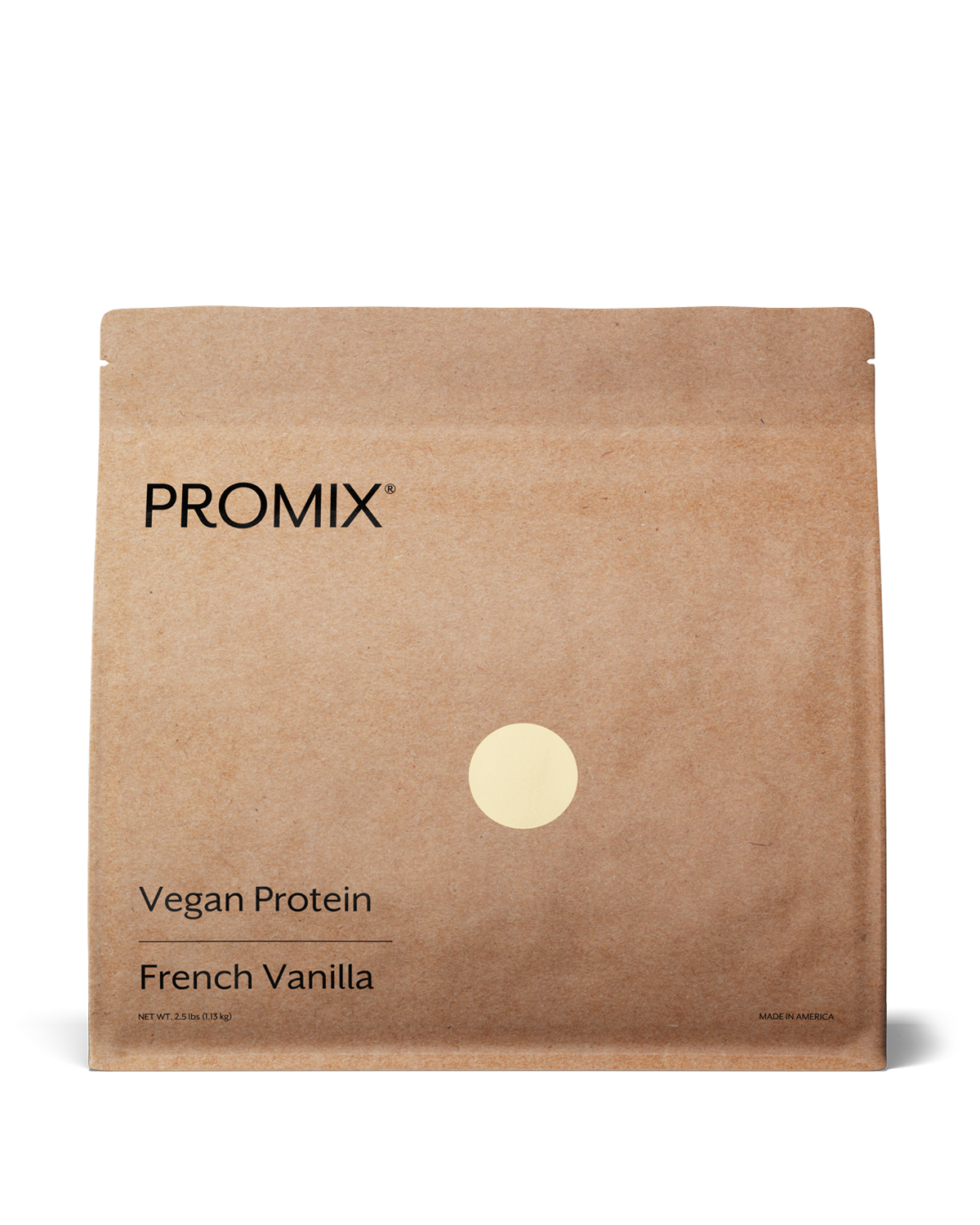
French Vanilla Vegan Protein PowderFrench Vanilla Vegan Protein Powder
Count
Promix Nutrition
French Vanilla Vegan Protein Powder
$58.00
Dr. Berzin's Pick
Normatec EliteNormatec Elite
Size
Normatec
Elite
$1,099.00
50s+

A portion of your 50s might be your postmenopausal era, which is accompanied by a decline in estrogen that impacts bone, muscle, and metabolism, says Dr. Goldman. “Women can lose up to 10 to 20 percent of bone density around menopause, and cardiovascular disease becomes the leading cause of death in women, yet is often under-recognized,” adds Dr. Berzin. “This is the decade where proactive screening, including DEXA scans, advanced lipid testing, and metabolic markers, combined with strength training and adequate protein, becomes essential for longevity and independence.”

Prioritize exercise that loads your bones (like weightlifting, jogging, hiking, dancing, or racket sports), and discuss supplementation and hormone therapy with your healthcare provider, suggests Dr. Kuku. 

Your pelvic floor deserves attention now, too, says Dr. Killen. “Up to 84 percent of postmenopausal women experience genitourinary syndrome of menopause, including vaginal dryness, painful sex, and urinary urgency, and it only gets worse without treatment,” she says. “This is one of the most treatable and most ignored aspects of menopause. It is time to give your pelvic floor the same attention you give your face.” Ask your provider about topical vaginal estrogen, which can help treat symptoms, she says.

A portion of your 50s might be your postmenopausal era, which is accompanied by a decline in estrogen that impacts bone, muscle, and metabolism, says Dr. Goldman. “Women can lose up to 10 to 20 percent of bone density around menopause, and cardiovascular disease becomes the leading cause of death in women, yet is often under-recognized,” adds Dr. Berzin. “This is the decade where proactive screening, including DEXA scans, advanced lipid testing, and metabolic markers, combined with strength training and adequate protein, becomes essential for longevity and independence.”

Prioritize exercise that loads your bones (like weightlifting, jogging, hiking, dancing, or racket sports), and discuss supplementation and hormone therapy with your healthcare provider, suggests Dr. Kuku. 

Your pelvic floor deserves attention now, too, says Dr. Killen. “Up to 84 percent of postmenopausal women experience genitourinary syndrome of menopause, including vaginal dryness, painful sex, and urinary urgency, and it only gets worse without treatment,” she says. “This is one of the most treatable and most ignored aspects of menopause. It is time to give your pelvic floor the same attention you give your face.” Ask your provider about topical vaginal estrogen, which can help treat symptoms, she says.

50s: Fortify and Adapt

A curated collection of products to preserve bone health and counteract menopause’s pelvic floor effects in your 50s and beyond.

Dr. Killen's Pick
Respin x Joylux vFit® PLUS Red Light Intimate Wellness DeviceRespin x Joylux vFit® PLUS Red Light Intimate Wellness Device
Dr. Berzin's Pick
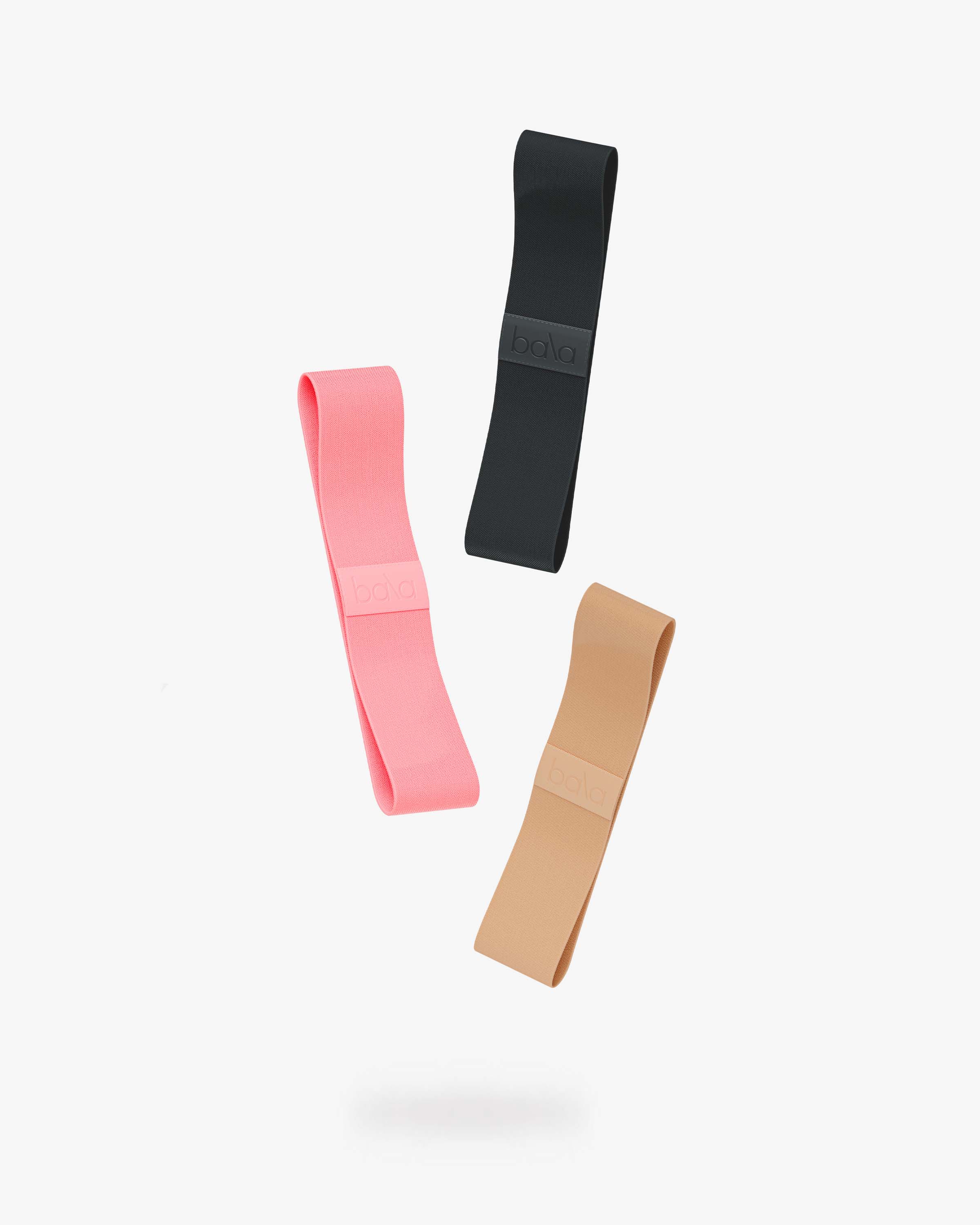
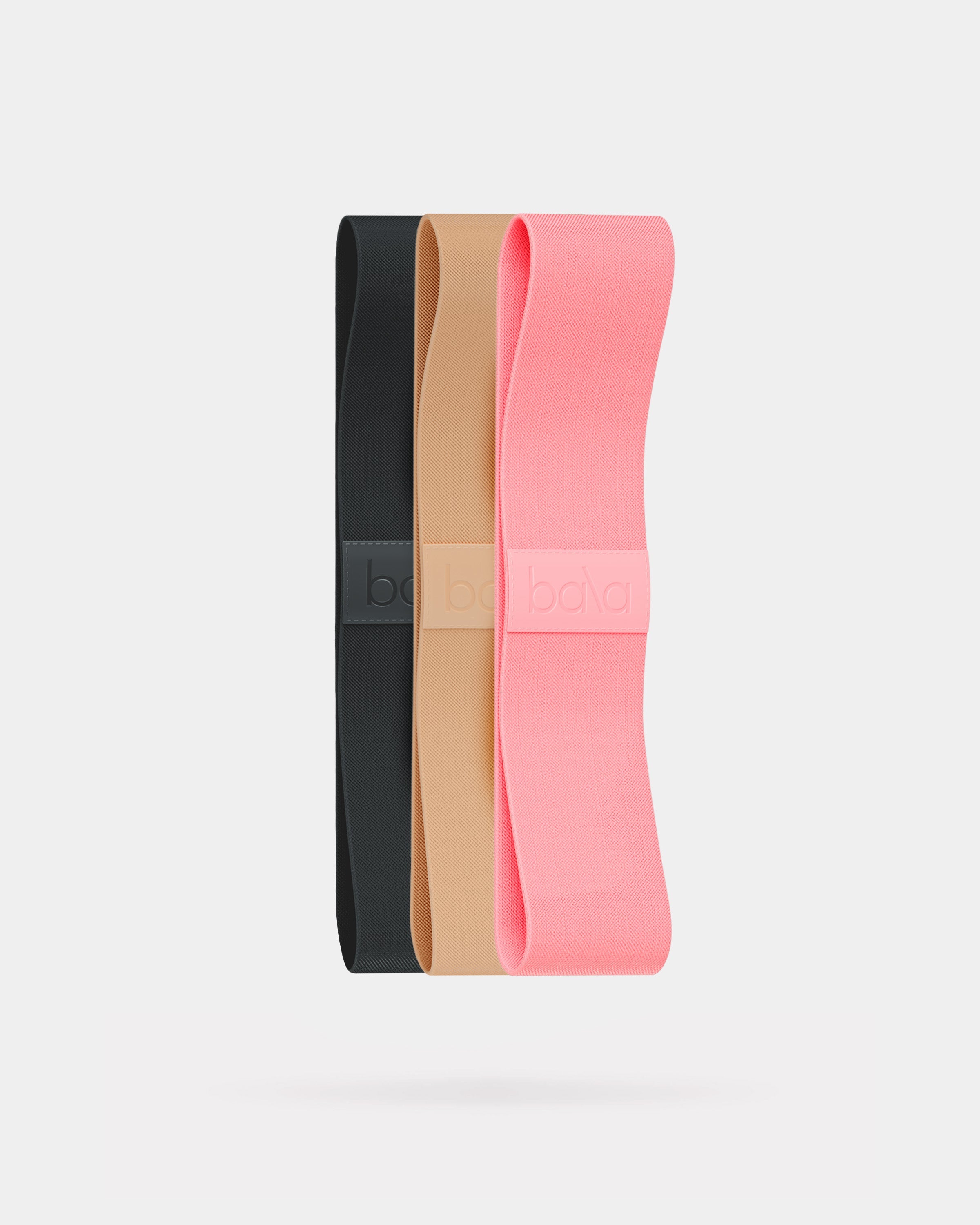
Bala BandsBala Bands
Bala
Bands
$35.00
+6
Dr. Berzin's Pick
Higherdose Red Light Face MaskHigherdose Red Light Face Mask
Size
Higherdose
Red Light Face Mask
$349.00
Dr. Kuku's Pick
Advanced Bone SupportAdvanced Bone Support
Thorne
Advanced Bone Support
$29.00